Program
Immediate protection against measles, for people vaccines can't reach
Proposed initial indication
Prophylaxis after exposure to measles
Protection before exposure in selected high-risk groups may be evaluated as the program advances.
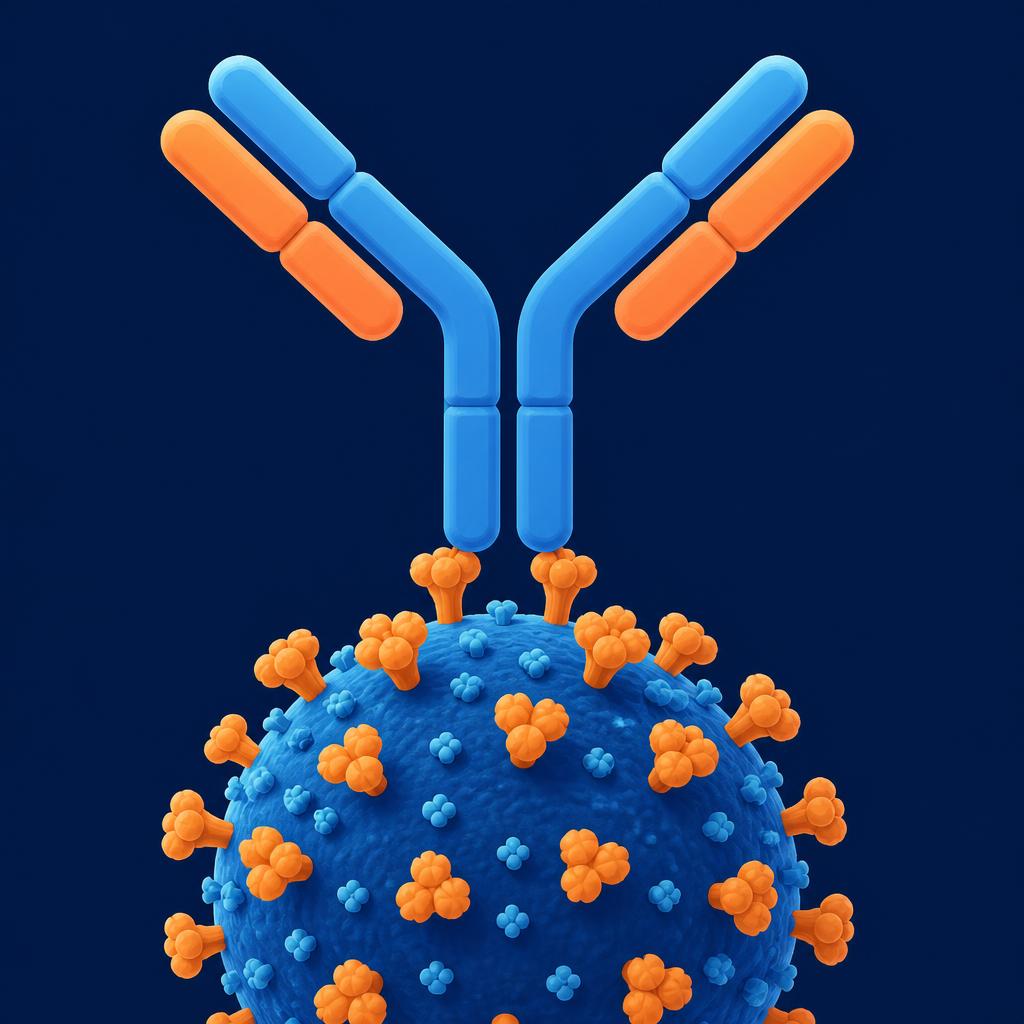
Who it is for
The people most at risk
Immunocompromised people who cannot receive a live vaccine
People who do not mount adequate immunity after vaccination
Infants too young for routine vaccination
Pregnant individuals, for whom a live vaccine is contraindicated
High-risk susceptible contacts after a measles exposure
Inclusion of any population in a final label will depend on clinical data and regulatory review.
Differentiation
What sets this approach apart
Measles-specific, not pooled plasma
Defined antibodies with known concentration and potency, instead of activity derived from donor immune globulin.
Simpler to give, easier to supply
Designed to avoid high-volume immune globulin infusions and to be manufactured to a consistent standard.
Built to last after one dose
Engineered with the intent of extended protection following a single administration.
Two antibodies, two epitopes
A rational combination intended to raise the barrier to viral escape.
Roadmap
Where the program stands
Antibody discovery and animal protection
Human monoclonal antibodies isolated from previously infected individuals; two leads selected against complementary epitopes; protection shown in small animal models before and after exposure (manuscript under review).
Candidate confirmation and CMC groundwork
Candidate optimization, cell line development planning, and formulation and developability assessment.
Toward the clinic
GMP manufacturing run, IND-enabling toxicology, and seronegative-volunteer feasibility screening.
Additional development, regulatory, and manufacturing detail is provided in the non-confidential company overview.